
Madden NFL 27: Speed Receiver Meta – Small WRs vs Big-Body Threats
Summary
In Madden NFL 27, the speed receiver meta is back with a vengeance. Smaller, explosive wideouts can stretch the field, force safeties into impossible angles, and turn short crosses into house calls. This article breaks down the best small WRs for breaking coverage, compares them to big-body threats, and explains how to build a roster around velocity. Whether you're grinding MUT or building a long-term franchise, knowing which speedsters to target can save you precious madden 27 coins and elevate your offense.

1. What Changed in the Speed WR Meta
1. What Changed in the Speed WR Meta
EA’s live service updates have subtly adjusted zone coverage reaction times, making lightning-quick route runners more valuable than ever. Receivers with 95+ speed and 90+ acceleration now separate from corners on slants and posts, even against press. The Superstar career mode also rewards players who stockpile fast targets, as persona growth speeds up when you consistently hit explosive plays. This shift means that undersized but agile playmakers like 5'9" speedsters are no longer niche picks—they're core weapons.
2. Why It Matters for Your Roster
Breaking coverage in Madden 27 requires more than just a fast QB. You need receivers who can win on the first two steps. Small WRs with elite Change of Direction (COD) ratings create immediate separation underneath, while deep speed forces Cover 4 shells to widen. This opens up running lanes and tight end seams. For MUT squads, focusing on speed-first WRs lets you spend coins on other positions, because you don’t need elite route-running stats when your guy simply outruns the defender. When you buymutcoins, prioritize these archetypes to maximize value per purchase.

3. Who Should Care
This guide is for three groups: MUT players looking to optimize their offensive budget, Franchise mode managers building a long-term pass-heavy scheme, and Superstar career users who want to boost their team’s big-play potential. If you’re still using tall, slow possession receivers as your WR1, you’re leaving yards on the field. Speed kills in Madden 27, and the small WR archetype is the sharpest knife in the drawer.
4. Pros and Cons
Pros:
- Elite separation on short and intermediate routes, especially against man coverage.
- Can turn a 5-yard slant into a 70-yard touchdown with one missed tackle.
- Cheaper on the auction house compared to elite big-body WRs, saving coins for other upgrades.
Cons:
- Struggle in contested catch situations against tall corners and safeties.
- More vulnerable to press coverage if they lack high Release rating.
- Limited effectiveness in red zone packages where physicality dominates.
5. Small WR vs Big-Body Threat: A Prose Comparison
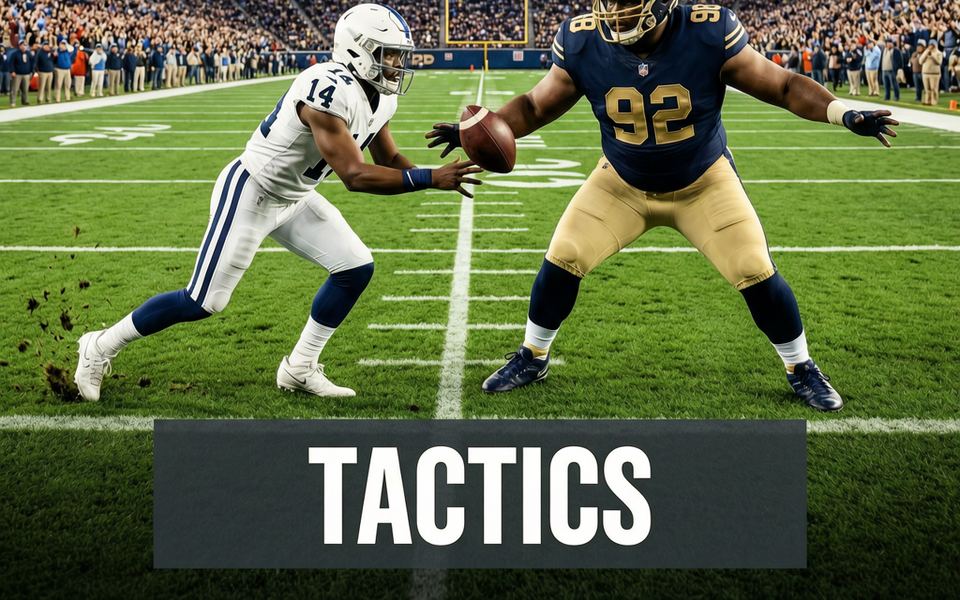
When you line up a 5'9" speedster against a 6'3" big-body receiver, the tradeoffs are clear. The small WR wins on route speed, YAC potential, and creating mismatches against slower linebackers and safeties. The big-body wins on jump balls, back-shoulder fades, and blocking. In Madden 27, the meta leans toward the speedster because zone coverage adjustments (especially in MUT) punish slow reads. A 6'3" receiver may catch a 50-50 ball, but a 5'9" receiver with 98 speed makes the corner miss entirely. The choice boils down to your play-calling style: if you favor quick passes and RPOs, go small; if you rely on deep play-action bombs, the big body still has a role. However, for breaking coverage horizontally and vertically, the speed receiver is the smarter investment in the current patch.
6. What To Do Next
Start scouting Madden 27’s speed ratings for budget WRs under 6 feet tall. Target players with 96+ Speed, 92+ Acceleration, and 88+ COD. In MUT, look for low-OVR but high-speed gold cards that can be upgraded via training. In Franchise, draft receivers with 4.3 forty times and focus on route-running drills in training camp. Pair these speedsters with a mobile QB who can extend plays, and watch your opponent’s secondary break down.
Final Thoughts
Small, fast wideouts are the backbone of the Madden 27 speed receiver meta. They break coverage, create explosive plays, and let you allocate resources elsewhere. While big-body receivers still have value, the current patch rewards vertical threats and YAC monsters. If you’re looking to dominate the air game, build your roster around these speedsters and never look back.
Explore Game-1309 for deals and updates.